




General Services We Provide
Our general dentistry services are designed to maintain and improve your oral health. From routine cleanings and preventive care to palliative treatments, we provide comprehensive solutions to keep your smile healthy and vibrant.
Teeth Cleanings
Teeth cleanings are a fundamental part of maintaining oral health. This routine procedure removes plaque, tartar, and stains from the teeth, helping to prevent cavities, gum disease, and other dental issues. Regular cleanings also leave your teeth feeling fresh and polished. We recommend a cleaning and check-up every six months.
X-Rays
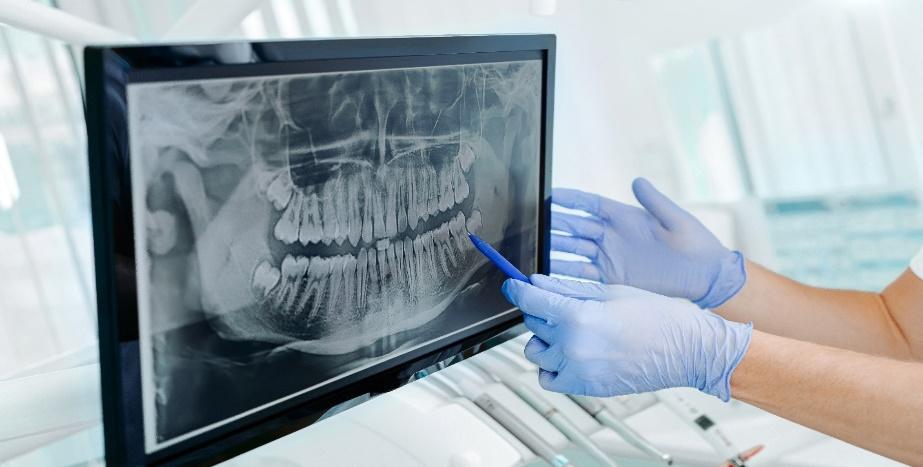
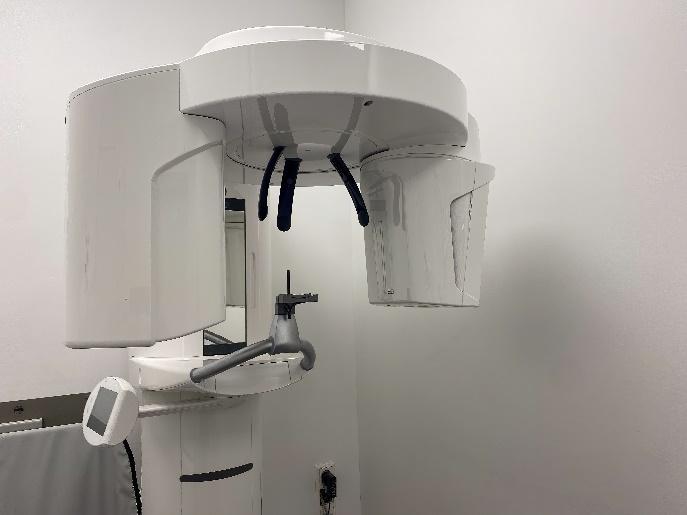
Dental X-rays are an essential diagnostic tool that helps dentists detect issues that may not be visible during a regular dental exam. They provide detailed images of the teeth, bones, and surrounding tissues, allowing for early detection of cavities, bone loss, and other dental problems. Regular X-rays ensure comprehensive oral health care and effective treatment planning. We recommend X-rays every 12-18 months.
Night Guards
Night guards are custom-made dental devices designed to protect your teeth from grinding or clenching during sleep. They help prevent damage to the teeth and jaw, reduce discomfort, and improve sleep quality. Night guards are an effective solution for managing bruxism and maintaining oral health.

Oral Cancer Screening
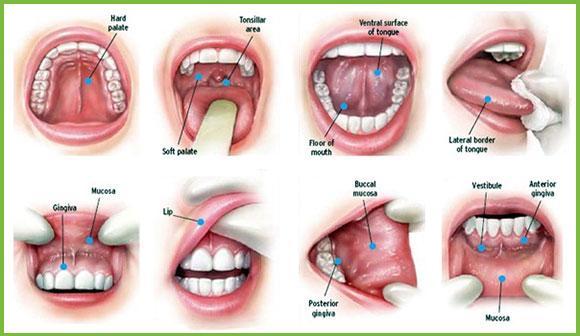
Dental oral cancer screening is an examination performed by a dentist or doctor to look for signs of cancer or precancerous conditions in your mouth. The goal is to identify mouth cancer early, when there is a greater chance for a cure. While there is no routine screening test for oral cancer, a clinical exam of the mouth is the main method used. Regular screenings enable early detection, which can boost survival rates to 80-90%. Areas checked during screening include lymph nodes, cheeks, gums, and tongue for any unusual patches or lumps.
An oral cancer screening is an important part of each dental check-up. During the screening, your dentist will examine areas both inside and outside your mouth, looking for any lumps, sores, or irregular tissue changes, including discoloration. If anything suspicious is found, such as a lesion, your dentist may recommend a biopsy or refer you to an oral surgeon.
Periodontal Therapy
Periodontal therapy refers to the specialized dental treatments designed to address gum disease, which can range from mild gingivitis to more severe periodontitis. Gum disease is characterized by inflammation of the gums, which can lead to serious complications if left untreated, including tooth loss and systemic health issues.
Stages of Gum Disease
- Gingivitis: The earliest stage, characterized by swollen and bleeding gums. This stage is often reversible with proper oral hygiene and regular professional cleaning.
- Periodontitis: If gingivitis is not treated, it can progress to periodontitis. In this stage, the inflammation extends deeper, affecting the bone and supporting structures of the teeth. This can lead to gum recession and tooth mobility.
Gum Disease Treatment
- Scaling and root planing: This deep cleaning procedure removes plaque and tartar from below the gum line and smooths the root surfaces to help the gums reattach to the teeth.
- Antibiotic therapy: Topical or oral antibiotics may be prescribed to control bacterial infections associated with gum disease.
- Surgical procedures: In advanced cases, surgical interventions such as flap surgery may be necessary to access and clean the roots of the teeth effectively.
Preventive Measures
- Regular dental check-ups: Routine visits to the dentist for cleanings and assessments can help catch early signs of gum disease.
- Good oral hygiene: Brushing twice a day, flossing daily, and using antimicrobial mouthwash can significantly reduce the risk of gum disease.
- Healthy lifestyle choices: Avoiding tobacco and maintaining a balanced diet can also contribute to better gum health.
Periodontal therapy is essential for managing gum disease and ensuring long-term oral health. If you notice symptoms such as bleeding gums or persistent bad breath, it is important to consult a dental professional for evaluation and treatment.
Restorative Dentistry
Dental Crowns
Dental crowns, also known as caps, are restorative covers that encase a damaged tooth to restore its shape, size, strength, and appearance. They are custom-made in a dental lab to fit precisely and can be made from various materials, including porcelain, metal, or composite resin. Crowns are often used to repair weakened teeth, protect teeth after root canal treatment, or improve the appearance of discolored or misshapen teeth.
- Repair damaged teeth: Crowns can cover and protect teeth that are weak, cracked, or heavily filled.
- Improve appearance: They can be used to restore the natural look of teeth that are discolored, misshapen, or have gaps.
- Support bridges: Crowns can anchor dental bridges, which are used to replace missing teeth.
- Restore dental implants: Crowns can cover and restore the appearance of dental implants, which replace missing teeth.
Dental Bridges
A dental bridge is a fixed dental appliance used to replace one or more missing teeth by bridging the gap between adjacent teeth or dental implants. It consists of artificial teeth (pontics) anchored to dental crowns (abutments) placed on the teeth or implants on either side of the gap.
Key Details
- What it is: A dental bridge is a permanent restoration that replaces missing teeth, restoring both function and aesthetics.
- How it works: The bridge is made up of crowns that fit over the natural teeth on either side of the gap, with artificial teeth filling the space.
- Materials: Bridges can be made from gold, porcelain, porcelain fused to metal, and resin.
- Benefits: Dental bridges improve chewing function, speech, and appearance, and prevent teeth from shifting into the empty space.
- Considerations: Bridges require adjacent teeth to be healthy and strong enough to support them, and they may require some tooth preparation.
Composite Fillings
Composite fillings are tooth-colored restorations used to repair cavities or other damage. They offer a natural-looking aesthetic and can be matched to the shade of your teeth.
- Aesthetics: Composite fillings can be color-matched to your natural teeth, making them a good choice for visible areas of the mouth.
- Durability: They are strong and can withstand the forces of chewing, especially in smaller to medium-sized fillings.
- Bonding: Composite fillings bond well to tooth enamel, requiring less tooth removal than traditional metal fillings.
- Versatility: They can be used to repair chipped, broken, or worn teeth, and to refresh existing composite fillings.
- Biocompatibility: Composite fillings are generally considered safe and non-toxic, with no mercury content.
- Repairability: Minor damage can often be repaired by adding additional composite material.
Dentures
Dentures can be broadly categorized into removable and fixed types. Removable dentures include acrylic one-tooth dentures (also called flippers), cast metal partial dentures, and flexible partial dentures. Fixed partial dentures, also known as dental bridges, are permanently cemented in place.
Removable Partial Dentures
These are often the most affordable option for replacing a single tooth or a few adjacent teeth. They are made of a plastic base and may have metal clasps to attach to neighboring teeth.
- Cast metal partial dentures: Known for their durability and strong fit, with a metal framework that connects to natural teeth.
- Flexible partial dentures: Made from materials like Valplast for patients who prefer a lighter, more comfortable solution.
Permanent Dentures
- Also called fixed dentures: These are attached to dental implants surgically placed in the jawbone.
- Natural look and feel: They offer a more stable and natural experience than removable dentures.
Removable Dentures
- Can be removed for cleaning and rest: This allows for easier cleaning and a more comfortable experience.
- More affordable and less invasive: They require fewer procedures and are generally less expensive than permanent dentures.
- Variety of options: Available in partial and full designs.