




Surgical Services We Provide
Our surgical services are designed to address specific dental needs and provide advanced solutions for complex cases. From root canals to bone grafting, we offer a range of treatments to ensure optimal oral health and restore your smile.
Tooth Extractions
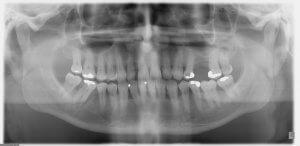
Tooth extraction is often necessary when the mouth becomes overcrowded or when gum disease or tooth decay has severely damaged the teeth. Removing a problematic tooth can prevent infection from spreading and create the space needed for proper alignment, protecting your overall oral health.
Bone Grafting
A dental bone graft is a surgical procedure where grafting material is added to the jawbone to increase bone volume and density, particularly in areas where bone loss has occurred. This creates a stable foundation for implants and other restorative treatments.
Why a Dental Bone Graft May Be Needed
- Tooth loss: Bone loss can occur after a tooth is removed or due to gum disease.
- Implant placement: Additional bone may be required to support a dental implant.
- Other restorative treatments: Grafting can prepare the jaw for bridges, dentures, or other prosthetics.
Types of Bone Grafting Material
- Autograft: Bone taken from the patient's own body, such as the chin, hip, or shin.
- Allograft: Donor bone sourced from a licensed tissue bank.
- Xenograft: Bone derived from another species, often bovine or porcine.
- Alloplast: Synthetic bone substitutes, including hydroxyapatite.
Bone Grafting Procedure
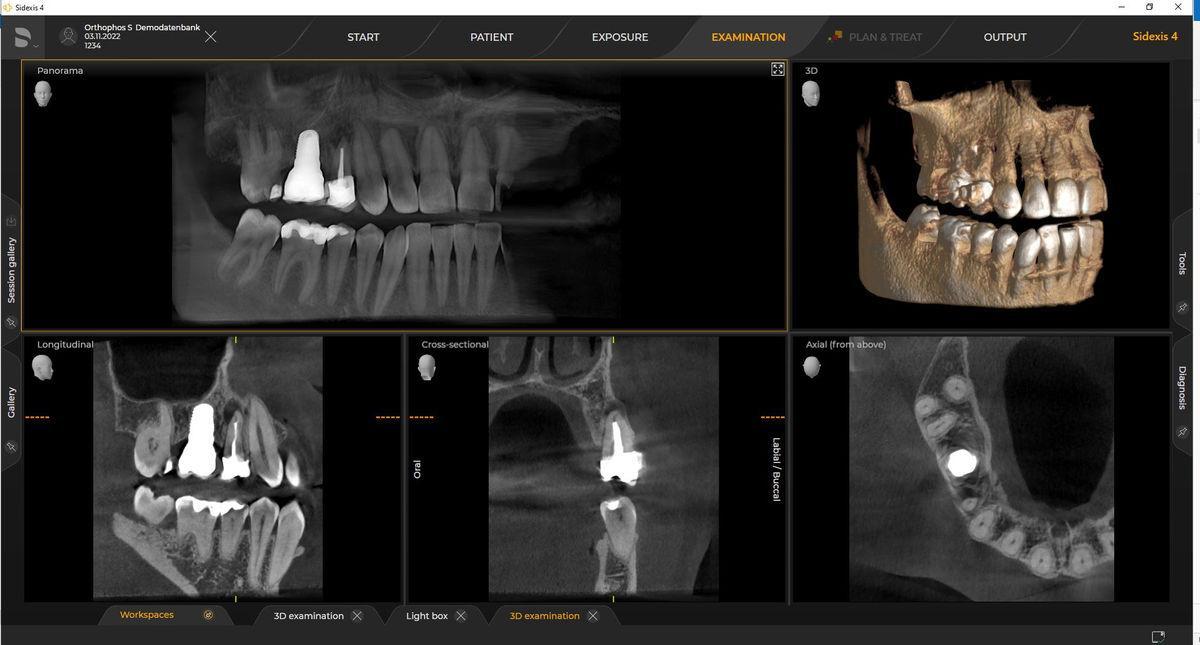
- Assessment: We evaluate the jaw using X-rays or scans to measure bone loss.
- Anesthesia: Local anesthesia keeps the area comfortable throughout the procedure.
- Incision: A small incision in the gum tissue provides access to the jawbone.
- Graft placement: The selected graft material is positioned where additional support is needed.
- Closure: The area is sutured to protect the graft.
- Healing: Over time the graft integrates with the existing bone, strengthening the site.
Recovery
- Healing time: Smaller grafts may heal in 2-4 weeks, while extensive grafts can take several months.
- Follow-up: Regular visits allow us to monitor healing and confirm the graft is integrating properly.
Root Canal Therapy
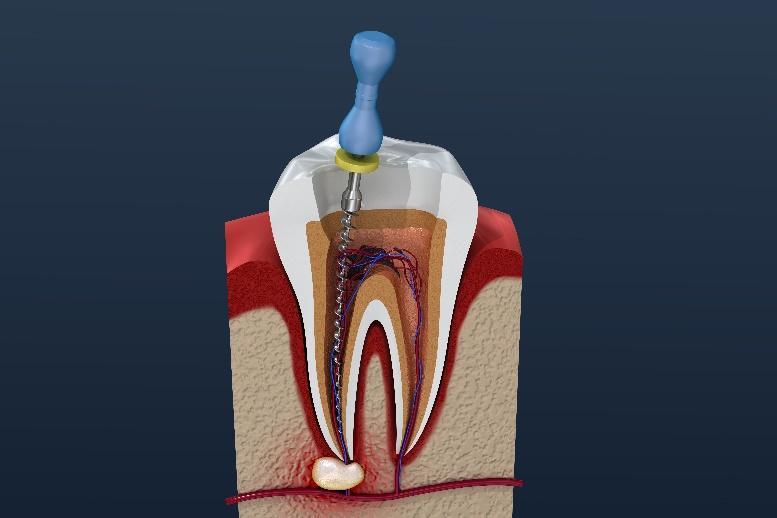
Root canal treatment removes infected pulp from inside a tooth, then cleans, shapes, and seals the canals to prevent reinfection. This procedure relieves pain, preserves the tooth, and restores function.
Assessment and Planning
- We take X-rays to evaluate the extent of the infection and plan treatment.
- Local anesthesia keeps the area numb and comfortable.
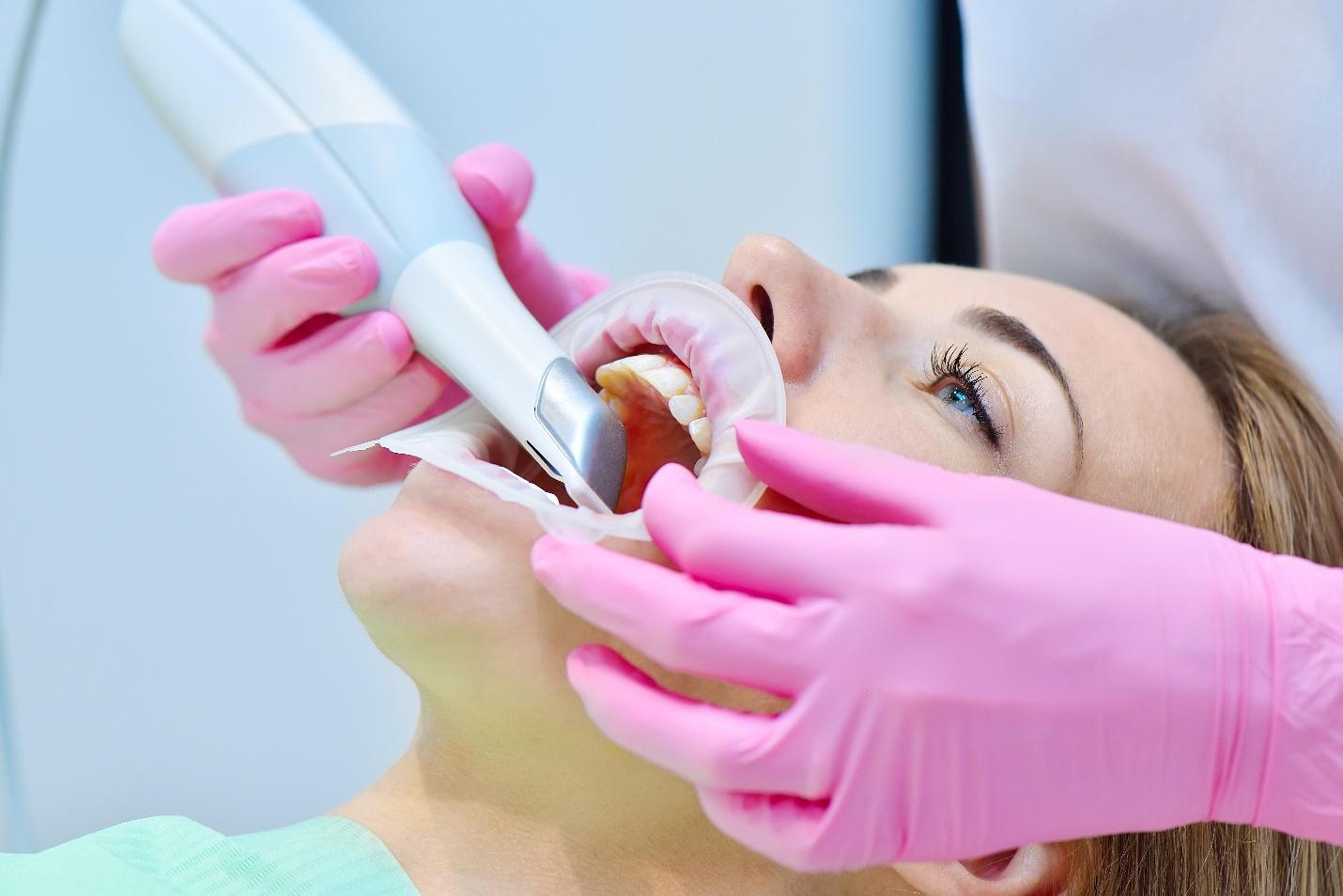
- A dental dam isolates the tooth and keeps it dry during the procedure.
Access and Removal of Pulp
- We create a small opening in the tooth to reach the pulp chamber.
- The infected pulp tissue, including nerves and blood vessels, is carefully removed with specialized instruments.
Cleaning, Shaping, and Sealing
- The canals are cleaned and disinfected to eliminate remaining bacteria.
- Small files shape the canals so they can be filled effectively.
- The canals are filled with gutta-percha and sealed to prevent future infection.
Restoring the Tooth
- After treatment, the tooth is restored with a filling or crown to rebuild strength and function.
- We customize the final restoration based on the amount of healthy tooth structure that remains.