





General Services We Provide
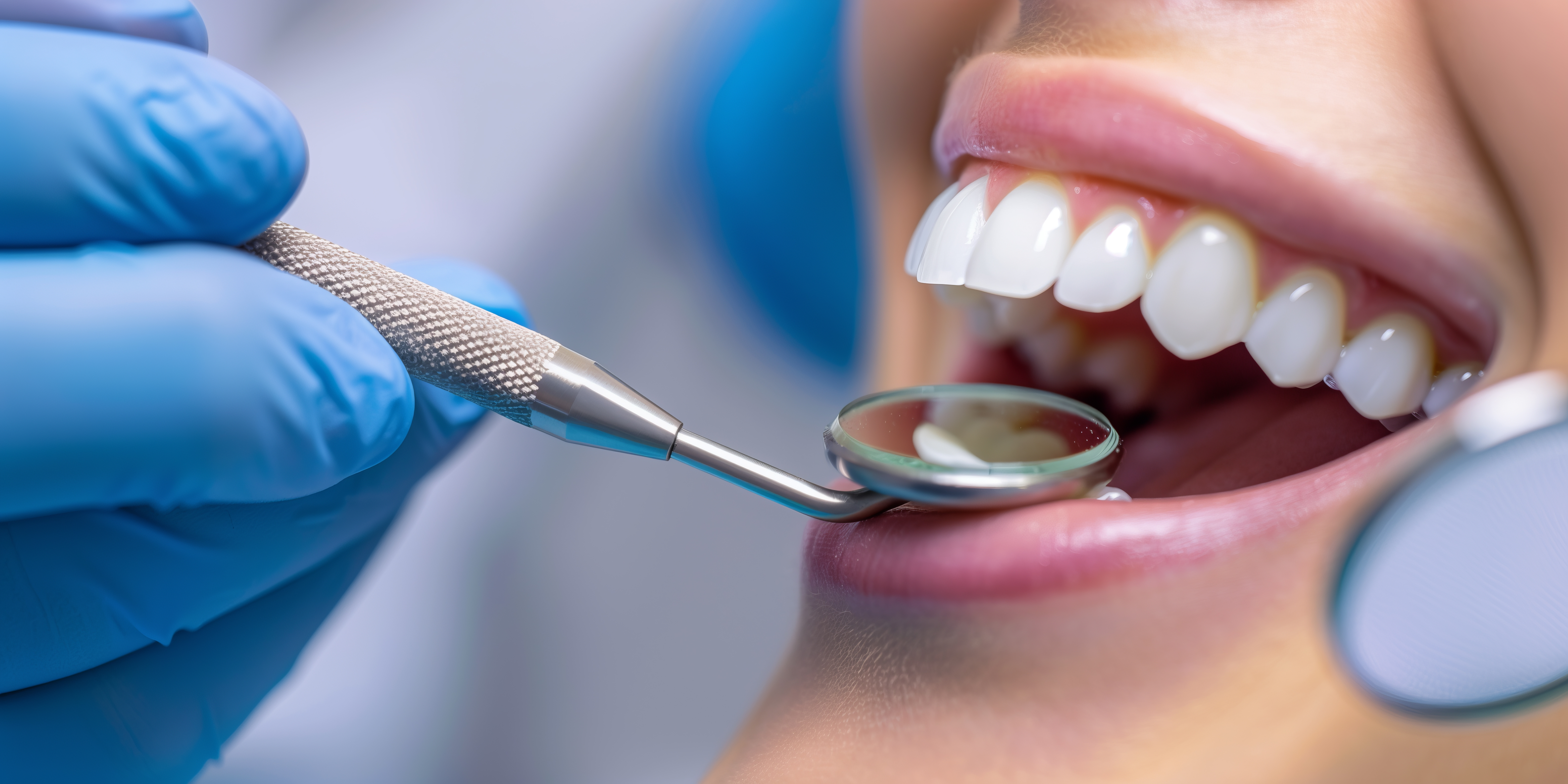
Our general dentistry services are designed to maintain and improve your oral health. From routine cleanings and preventive care to palliative treatments, we provide comprehensive solutions to keep your smile healthy and vibrant.
Teeth cleanings
Teeth cleanings are a fundamental part of maintaining oral health. This routine procedure involves the removal of plaque, tartar, and stains from the teeth, helping to prevent cavities, gum disease, and other dental issues. Regular cleanings also leave your teeth feeling fresh and polished, contributing to a healthier and brighter smile. We recommend a cleaning and check-up every six months.
X-rays
Dental X-rays are an essential diagnostic tool that helps dentists detect issues that may not be visible during a regular dental exam. They provide detailed images of the teeth, bones, and surrounding tissues, allowing for early detection of cavities, bone loss, and other dental problems. Regular X-rays ensure comprehensive oral health care and effective treatment planning. We recommend x-rays every 12-18 months.
Night Guards
Night guards are custom-made dental devices designed to protect your teeth from grinding or clenching during sleep. They help prevent damage to the teeth and jaw, reduce discomfort, and improve sleep quality. Night guards are an effective solution for managing bruxism and maintaining oral health.

Oral Cancer Screening
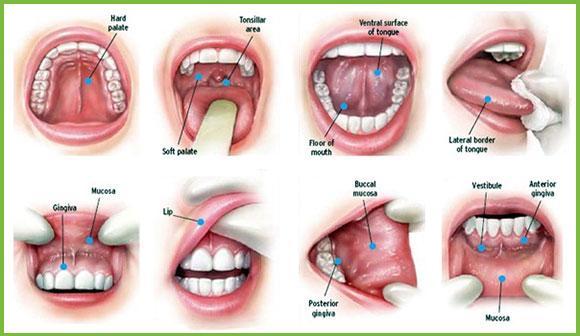
Dental oral cancer screening is an examination performed by a dentist or doctor to look for signs of cancer or precancerous conditions in your mouth. The goal is to identify mouth cancer early, when there is a greater chance for a cure. While there is no routine screening test for oral cancer, a clinical exam of the mouth is the main method used. Regular screenings enable early detection, which can boost survival rates to 80-90%. Areas checked during screening include lymph modes, cheeks, gums, and tongue for any unusual patches or lumps.
An oral cancer screening is an important part of each dental check-up. During the cancer screening, your dentist will examine areas that are both inside and outside your mouth. The dentist is looking for any lumps, sores or irregular tissue changes, including discoloration. If they find anything suspicious, such as a lesion, your dentist may recommend a biopsy or refer you to an oral surgeon.
Periodontal Therapy
Periodontal therapy refers to the specialized dental treatments designed to address gum disease, which can range from mild gingivitis to more severe periodontitis. Gum disease is characterized by inflammation of the gums, which can lead to serious complications if left untreated, including tooth loss and systemic health issues.
Stages of Gum Disease
- Gingivitis: The earliest stage, characterized by swollen and bleeding gums. This stage is often reversible with proper oral hygiene and regular professional cleaning.
- Periodontitis: If gingivitis is not treated, it can progress to periodontitis. In this stage, the inflammation extends deeper, affecting the bone and supporting structures of the teeth. This can lead to gum recession and tooth mobility.
Gum Disease Treatment
- Scaling and Root Planing: This deep cleaning procedure removes plaque and tartar from below the gum line and smooths the root surfaces to help the gums reattach to the teeth.
- Antibiotic Therapy: Topical or oral antibiotics may be prescribed to control bacterial infections associated with gum disease.
- Surgical Procedures: In advanced cases, surgical interventions such as flap surgery may be necessary to access and clean the roots of the teeth effectively.
Preventive Measures
- Regular Dental Check-ups: Routine visits to the dentist for cleanings and assessments can help catch early signs of gum disease.
- Good Oral Hygiene: Brushing twice a day, flossing daily, and using antimicrobial mouthwash can significantly reduce the risk of gum disease.
- Healthy Lifestyle Choices: Avoiding tobacco and maintaining a balanced diet can also contribute to better gum health.
Periodontal therapy is essential for managing gum disease and ensuring long-term oral health. If you notice symptoms such as bleeding gums or persistent bad breath, it is important to consult a dental professional for evaluation and treatment.