




Restorative Dentistry
Our restorative treatments rebuild strength, function, and aesthetics when teeth have been damaged or lost. Learn about crowns, bridges, composite fillings, and dentures available at Athans Dental.
Dental Crowns
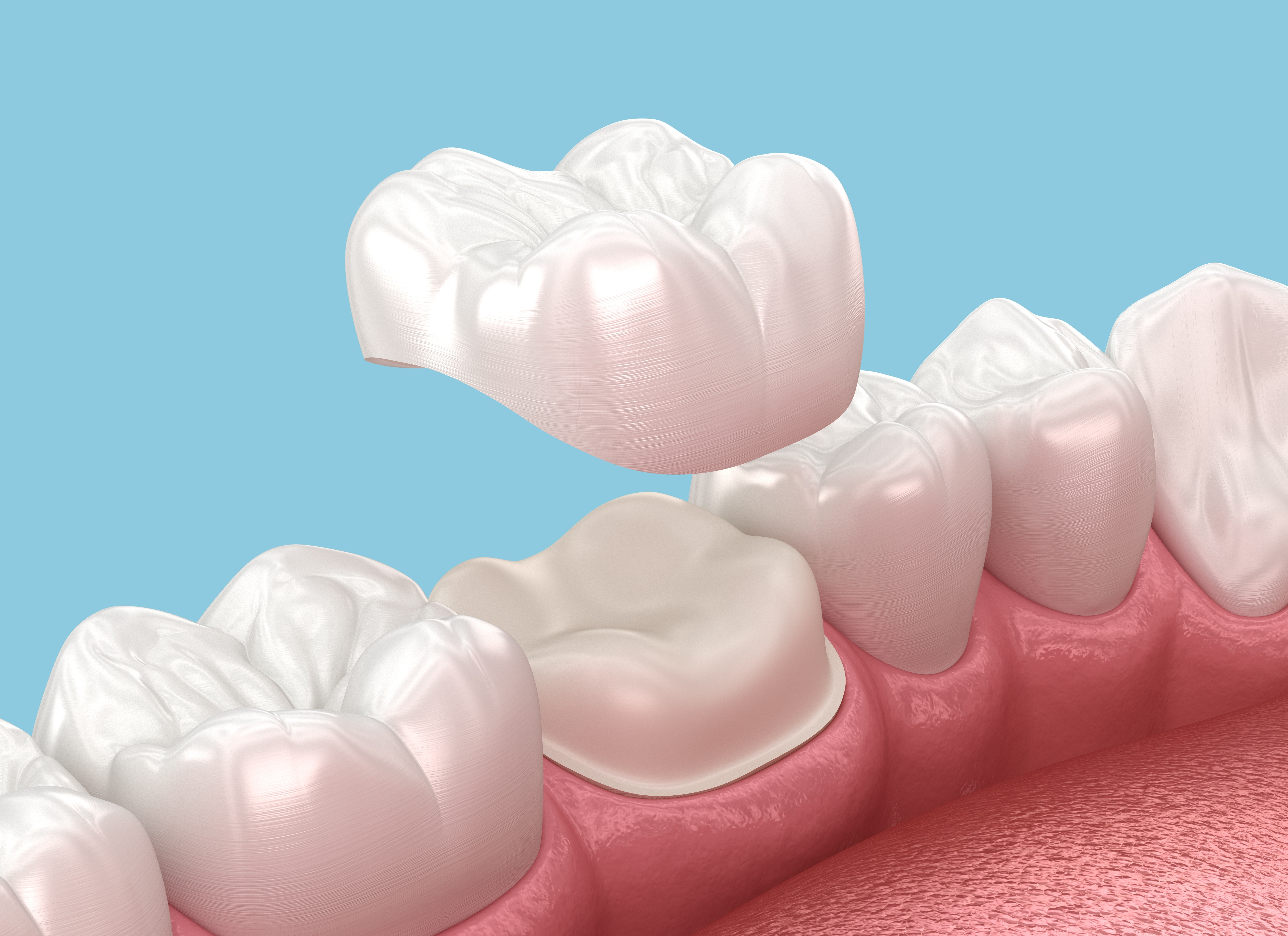
Dental crowns, also known as caps, are restorative covers that encase a damaged tooth to restore its shape, size, strength, and appearance. They are custom-made in a dental lab to fit precisely and can be made from various materials, including porcelain, metal, or composite resin. Crowns are often used to repair weakened teeth, protect teeth after root canal treatment, or improve the appearance of discolored or misshapen teeth.
Why are dental crowns used?
- Repair damaged teeth: Crowns can cover and protect teeth that are weak, cracked, or heavily filled.
- Improve appearance: They can be used to restore the natural look of teeth that are discolored, misshapen, or have gaps.
- Support bridges: Crowns can anchor dental bridges, which are used to replace missing teeth.
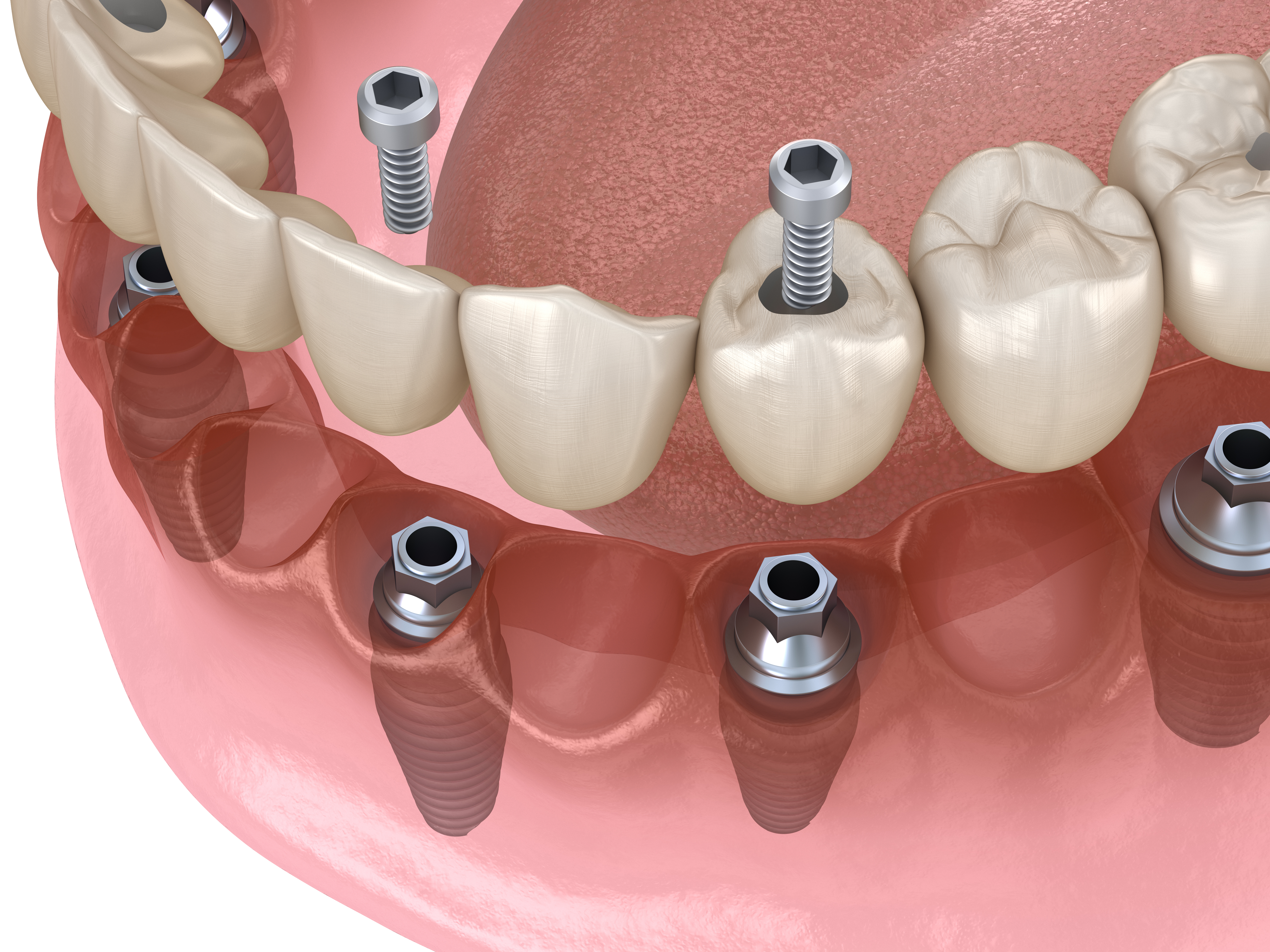
- Restore dental implants: Crowns can cover and restore the appearance of dental implants, which replace missing teeth.
Dental Bridges
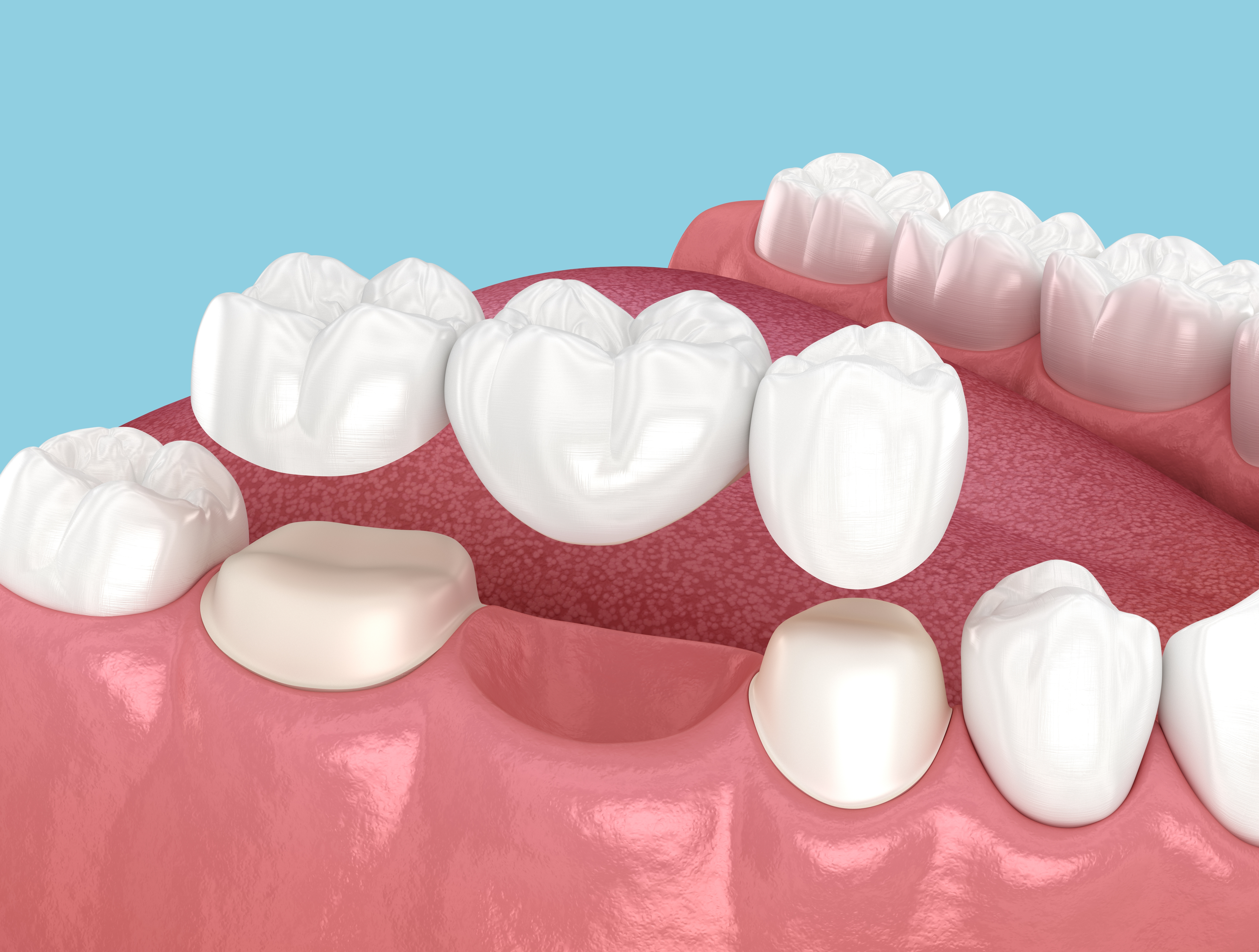
A dental bridge is a fixed dental appliance used to replace one or more missing teeth by bridging the gap between adjacent teeth or dental implants. It consists of artificial teeth (pontics) anchored to dental crowns (abutments) placed on the teeth or implants on either side of the gap.
Key Details
- What it is: A dental bridge is a permanent restoration that replaces missing teeth, restoring both function and aesthetics.
- How it works: The bridge is made up of crowns (which fit over the natural teeth on either side of the gap) and artificial teeth (pontics) that "bridge" the gap.
- Materials: Bridges can be made from various materials, including gold, porcelain, porcelain fused to metal, and resin.
- Benefits: Dental bridges can improve chewing function, speech, and appearance, as well as prevent teeth from shifting into the empty space.
- Considerations: Bridges require adjacent teeth to be healthy and strong enough to support them, and they may require some tooth preparation.
Composite Fillings
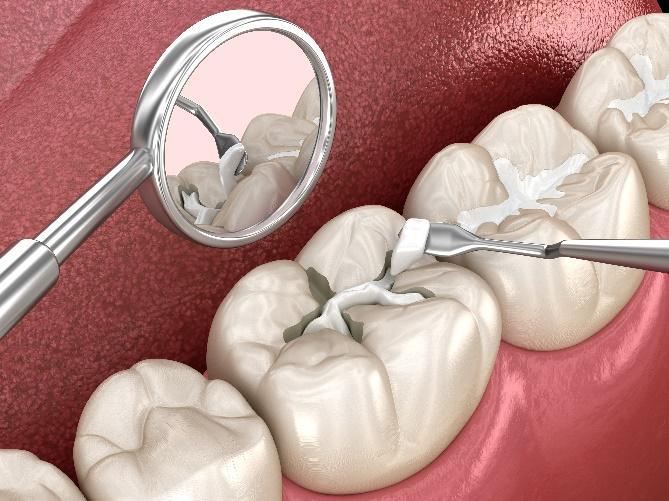
Composite fillings, also known as tooth-colored fillings, are a common dental restoration option used to repair cavities or other damaged teeth. They offer a natural-looking aesthetic and can be matched to the shade of your teeth. Composite fillings are made of a resin- based plastic reinforced with powdered glass, and they are known for their durability and bonding strength.
Benefits of Composite Fillings
- Aesthetics: Composite fillings can be color-matched to your natural teeth, making them a good choice for visible areas of the mouth.
- Durability: They are strong and can withstand the forces of chewing, especially in smaller to medium-sized fillings.
- Bonding: Composite fillings bond well to tooth enamel, requiring less tooth removal than traditional metal fillings.
- Versatility: They can be used to repair chipped, broken, or worn teeth, and they can also be used to repair existing composite fillings.
- Biocompatibility: Composite fillings are generally considered safe and non-toxic, and they are often preferred over amalgam fillings due to the absence of mercury.
- Repairability: In many cases, minor damage to a composite filling can be easily repaired by adding additional composite material.

Dentures
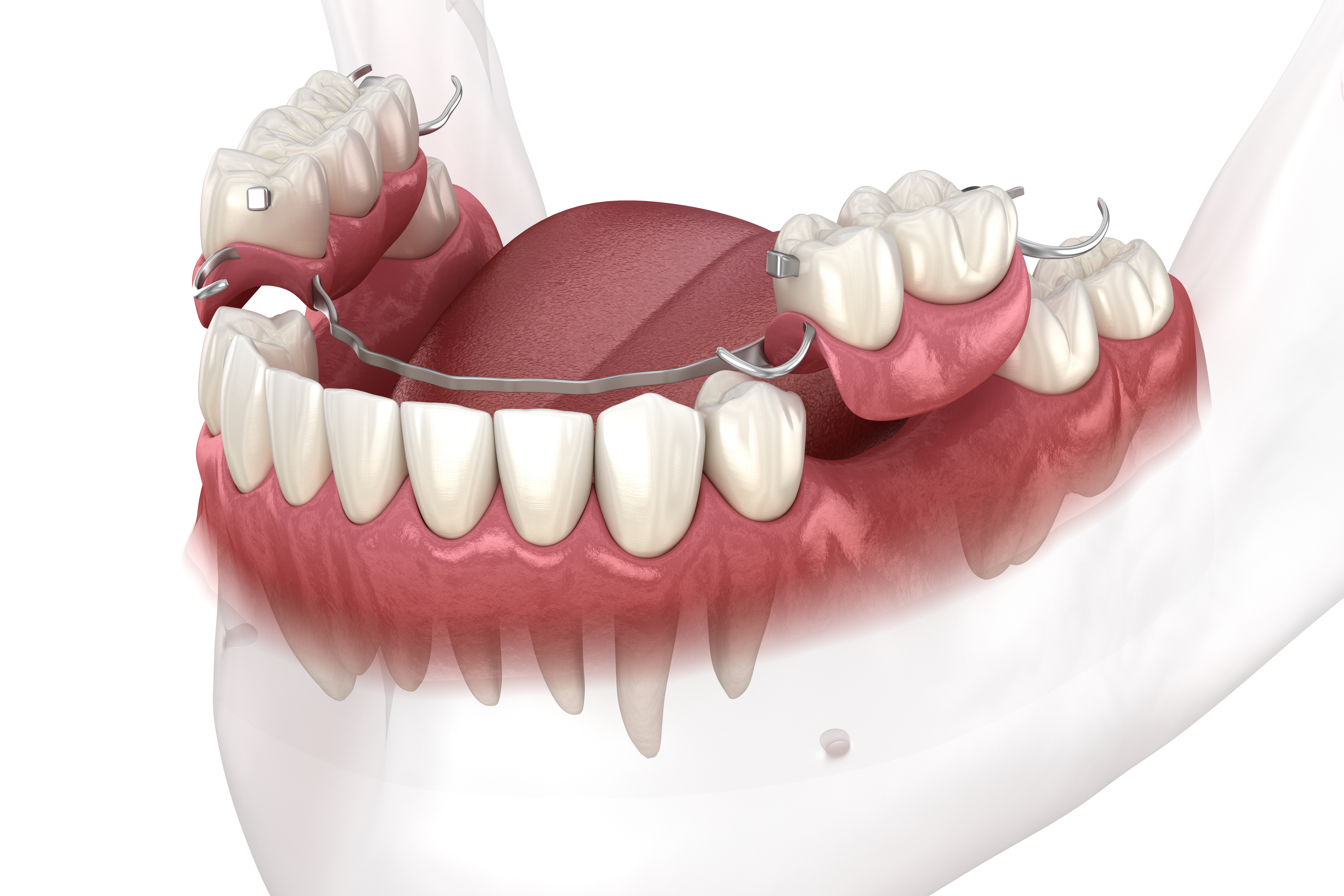
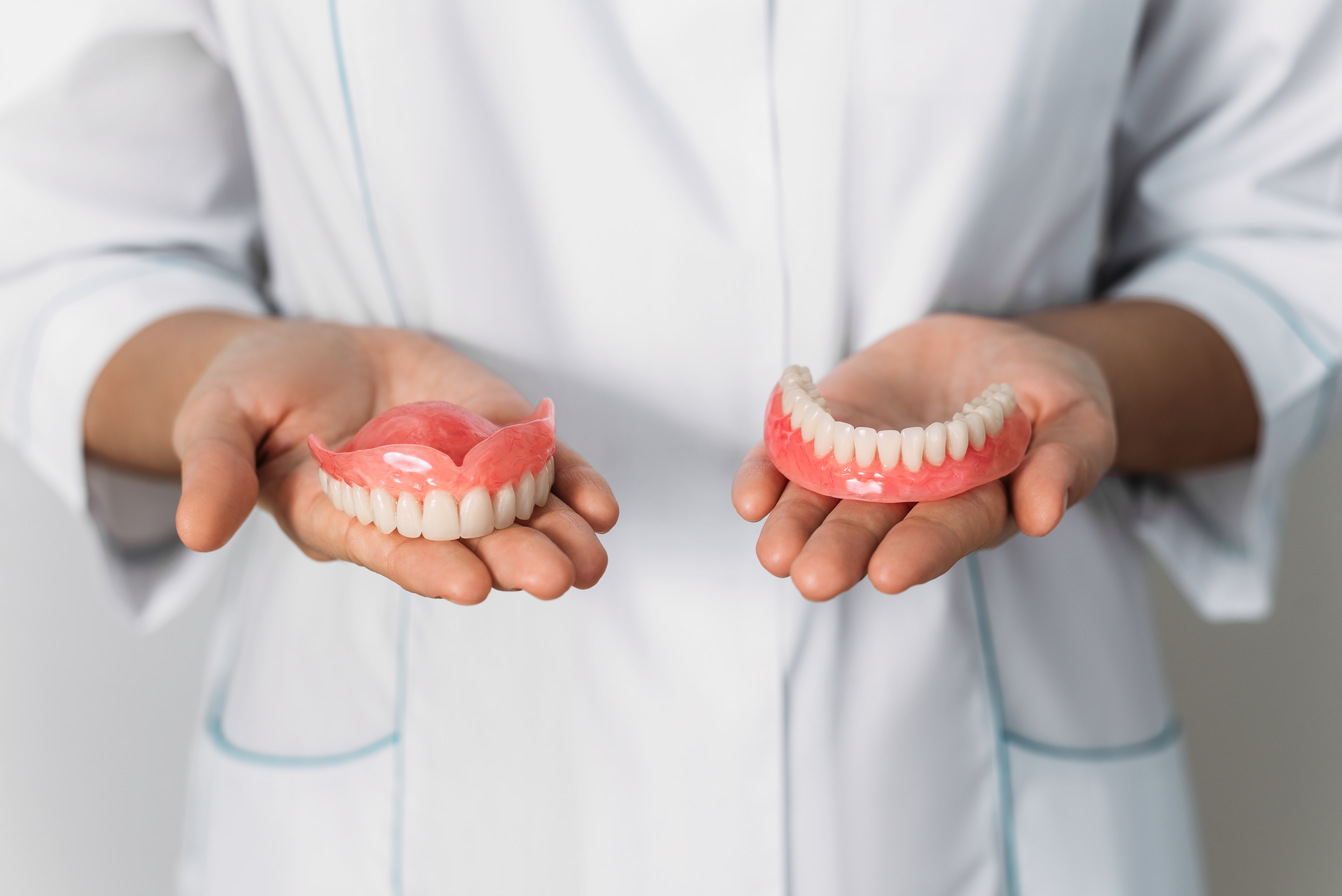
Dentures can be broadly categorized into removable and fixed types. Removable dentures include acrylic one tooth dentures (also known as flippers), cast metal partial dentures, and flexible partial dentures. Fixed partial dentures, also known as dental bridges, are permanently cemented in place.
Removable Partial Dentures
These are often the most affordable and are a good option for replacing a single tooth or a few adjacent teeth. They are made of a plastic base and may have metal clasps to attach to neighboring teeth.
- Cast Metal Partial Dentures: These dentures are known for their durability and strong fit. They have a metal framework that provides support and uses metal clasps to connect to natural teeth.
- Flexible Partial Dentures: Made from flexible materials like Valplast, these are a good option for patients who are allergic to acrylic or prefer a lighter, more comfortable option. They can be used as a temporary or long-term solution.
Removable Dentures
- Can be removed for cleaning and rest: This allows for easier cleaning and a more comfortable experience.
- More affordable and less invasive: They require fewer procedures and are generally less expensive than permanent dentures.
- May be less stable: They can move around and may not feel as natural as permanent dentures.
- Available in various types: Including partial and full dentures.
Permanent Dentures
- Also called fixed dentures: These are attached to dental implants surgically placed in the jawbone.
- Look and function like natural teeth: They offer a more stable and natural feel than removable dentures.