




Surgical Dentistry
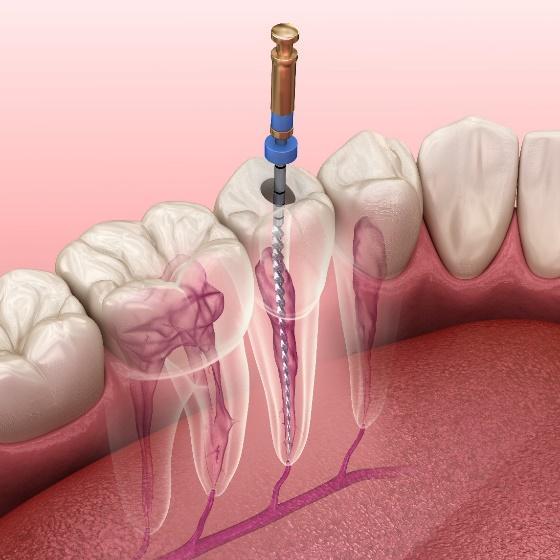
Our surgical services are designed to address specific dental needs and provide advanced solutions for complex cases. From root canals to bone grafting, we offer a range of treatments to ensure optimal oral health and restore your smile.
Teeth Extraction
Tooth extraction is often necessary when the mouth becomes overcrowded or when gum disease or tooth decay has severely damaged the teeth. Extraction can eliminate problematic teeth and prevent infection from spreading to surrounding teeth. This procedure helps maintain overall oral health and creates space for proper alignment.
Bone Grafting
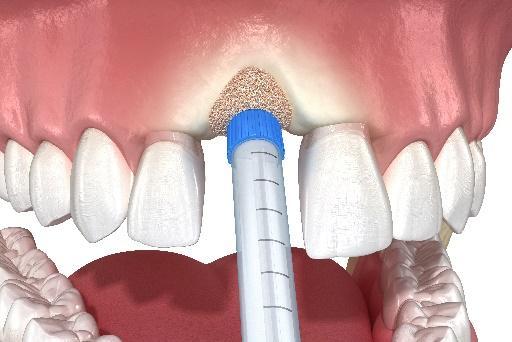
A dental bone graft is a surgical procedure where bone grafting material is added to the jawbone to increase bone volume and density, particularly in areas where bone loss has occurred. This procedure prepares the area for future dental implants or other restorative treatments by providing a stable foundation for new bone growth.
Why is a dental bone graft needed?
- Tooth Loss: Bone loss can occur after tooth extraction or due to gum disease.
- Implant Placement: If there isn't enough bone in the jaw to support a dental implant, a bone graft may be necessary.
- Other Restorative Treatments: Bone grafting can also be used to prepare the jawbone for other restorative procedures like bridges or dentures.
Types of Bone Grafting Material
- Autograft: Bone taken from the patient's own body (e.g., chin, hip, shin).
- Allograft: Human bone from a licensed donor bank.
- Xenograft: Animal-derived bone (e.g., cow or pig bone).
- Alloplast: Synthetic bone substitutes (e.g., hydroxyapatite).
Procedure
- Assessment: The dentist will assess the jawbone using X-rays or scans to determine the extent of bone loss.
- Anesthesia: The procedure is usually performed under local anesthesia.
- Incision: A small incision is made in the gum tissue to access the jawbone.
- Graft Placement: The chosen bone graft material is placed in the area where additional bone is needed.
- Closure: The incision is closed with sutures.
- Healing: The graft integrates with the existing bone, and the healing process can take several months.
Recovery
- Healing Time: The healing process can vary depending on the size and type of graft, typically taking 2-4 weeks for minor grafts and 3-6 months or longer for more extensive ones.
- Follow-up: Regular dental check-ups are necessary to monitor the healing process and ensure proper integration of the graft.
Root Canal
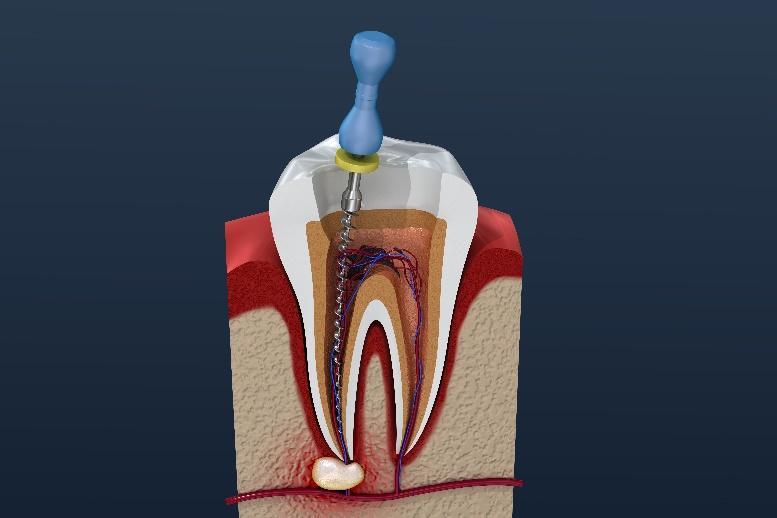
Root canal treatment involves removing the infected pulp inside a tooth, cleaning and disinfecting the root canals, and then filling and sealing them to prevent future infection. This procedure is typically performed by an endodontist or a general dentist.
Assessment and Planning
- Your dentist will take an X-ray to assess the extent of the infection and damage.
- They will also numb the area with local anesthesia to minimize discomfort during the procedure.
- A dental dam (a rubber sheet) is placed over the tooth to keep it clean and dry during treatment.
Access and Removal of Pulp
- An opening is made through the crown of the tooth to access the pulp chamber.
- The infected pulp, which contains nerves, blood vessels, and connective tissue, is carefully removed using small dental instruments.
Cleaning and Shaping
- The root canals are cleaned and disinfected to eliminate any remaining bacteria.
- Small files are used to shape the canals, preparing them for filling.
Filling and Sealing
- The cleaned and shaped root canals are filled with a rubbery substance called gutta-percha, which is often combined with a sealant.
- This filling seals the tooth, preventing future infection and supporting the tooth's structure.
Restoration
- After the root canal treatment, the tooth may require a filling or crown to restore its structure and function.
- The type of restoration will depend on the extent of the damage to the tooth.