






State of the Art Technology
Advanced diagnostic and imaging technology helps us plan precise treatments and deliver comfortable care.
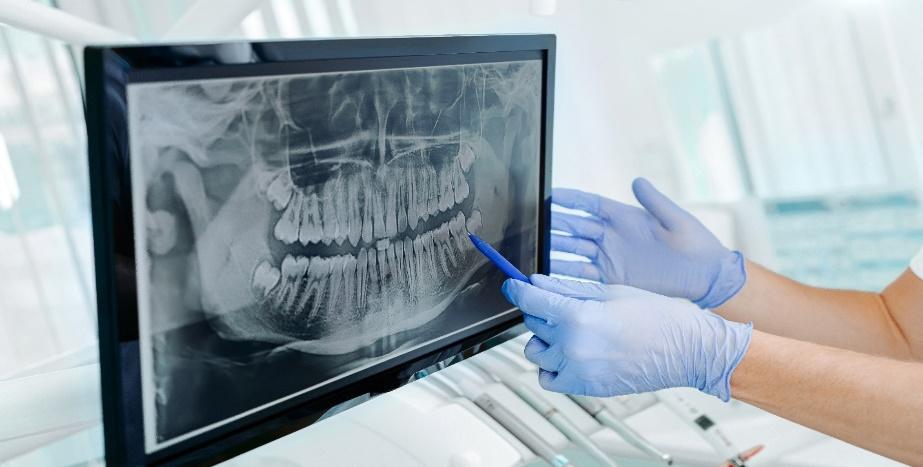
CBCT 3D Imaging
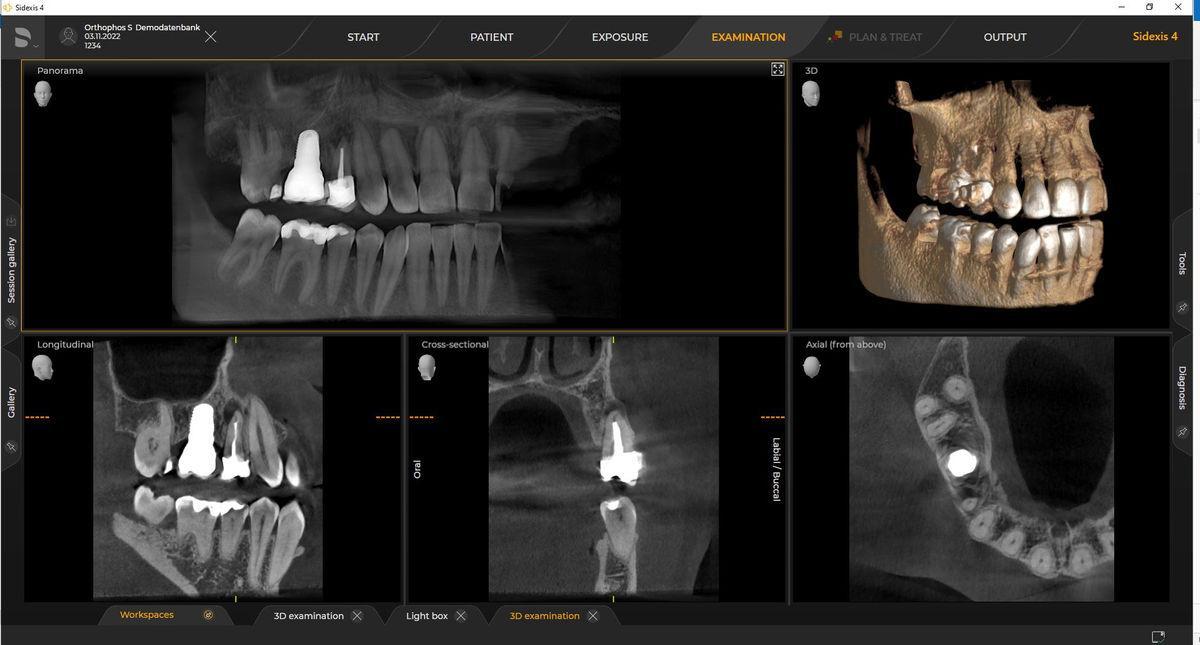
3D radiographic technology in dentistry has revolutionized the field by providing dentists with a comprehensive view of the patient's oral structures. This technology, primarily Cone Beam Computed Tomography (CBCT), offers three-dimensional images of teeth, soft tissue, and bone in a single scan.
Why do we use CBCT Technology?
- Improved diagnosis: CBCT scans help in detecting infections, fractures, and bone loss that may not be visible on 2D x-rays.
- Better Treatment Planning: The detailed images assist in procedures like implants, root canals, and jaw surgeries.
- Clearer Views of Nerves and Sinuses: This helps avoid complications during a surgery.
- Accurate Bone Measurements: Essential for planning dental implants.
- Reduced Radiation Exposure: 3D scans use less ionizing radiation than panoramic views and standard cephalograms.
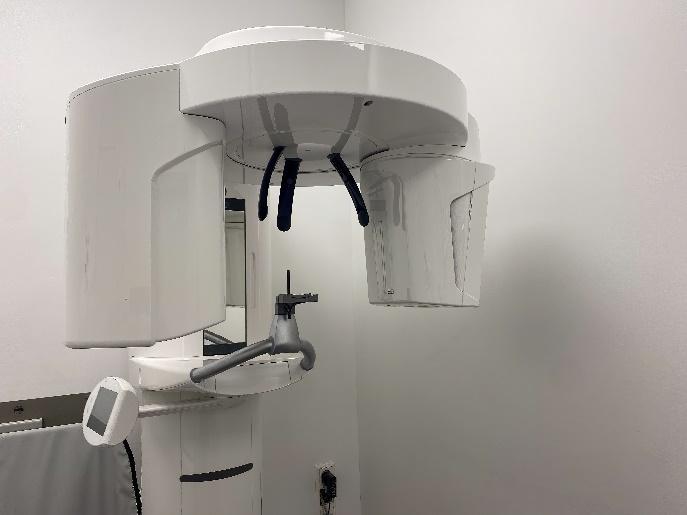
Panoramic X-Rays
Unlike other kinds of dental x-ray, which capture just one tooth or a section of the mouth, panoramic x-rays show the whole mouth in one single image. Dental radiography helps us identify dental issues that would otherwise be difficult or impossible to spot. These include:
- Tooth decay, especially under a tooth filling or between two teeth
- Tooth infections, including abscesses at the end of a tooth root or below the gum line
- Impacted wisdom teeth
- Bone loss in the jaw bone from gum disease or a missing tooth
- Hyperdontia and hypodontia (the conditions of having too many or too few teeth genetically)
- Tumors linked to jaw cancer or oral cancer
Intraoral Scanner
Our intraoral scanner is used to create digital impressions of the oral cavity. Unlike traditional impression methods that use physical materials, intraolral scanners utilize optical technology to capture detailed 3D images of teeth and soft tissues. This technology allows for the creation of virtual models that can be used for various dental applications including crowns, bridges, and night guards.